Practical Guide to Local Water Conservation Techniques
As California faces ongoing challenges related to water scarcity, it becomes increasingly important for residents to adopt effective water conservation techniques. This guide outlines practical methods that can help you reduce water usage while maintaining a healthy lifestyle.
Understanding the Importance of Water Conservation
Water conservation is not just about saving money on utility bills; it's also about ensuring sustainable water resources for future generations. According to research from the California Department of Water Resources, implementing conservation strategies can significantly reduce demand and protect local ecosystems.
"By using water wisely, we can help preserve our natural resources while supporting our communities." - Water Conservation Expert
Practical Water Conservation Techniques
Here are a few effective techniques that you can implement in your daily life:
- Install Low-Flow Fixtures: Swapping out traditional faucets and showerheads for low-flow options can reduce water usage by up to 30%. Experts recommend looking for fixtures certified by the WaterSense program.
- Rainwater Harvesting: Collecting rainwater for irrigation can significantly decrease your reliance on municipal water. This typically involves setting up barrels or cisterns to catch rain from rooftops. While initial setup can take 1-2 days, many users report reduced outdoor water usage.
- Smart Irrigation Systems: Utilizing smart irrigation controllers can optimize watering schedules based on weather conditions, which can help reduce water waste. Research suggests that these systems can save approximately 20% of outdoor water use.
Education and Community Involvement
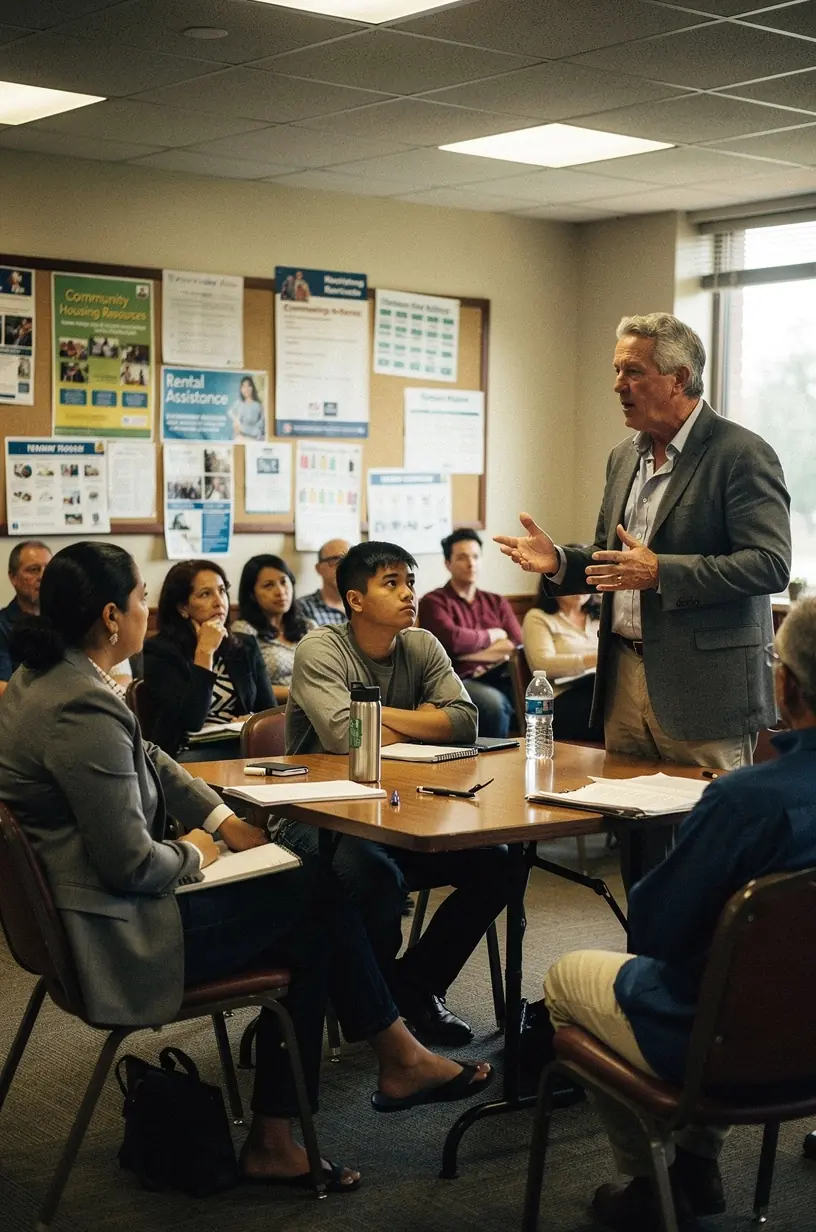
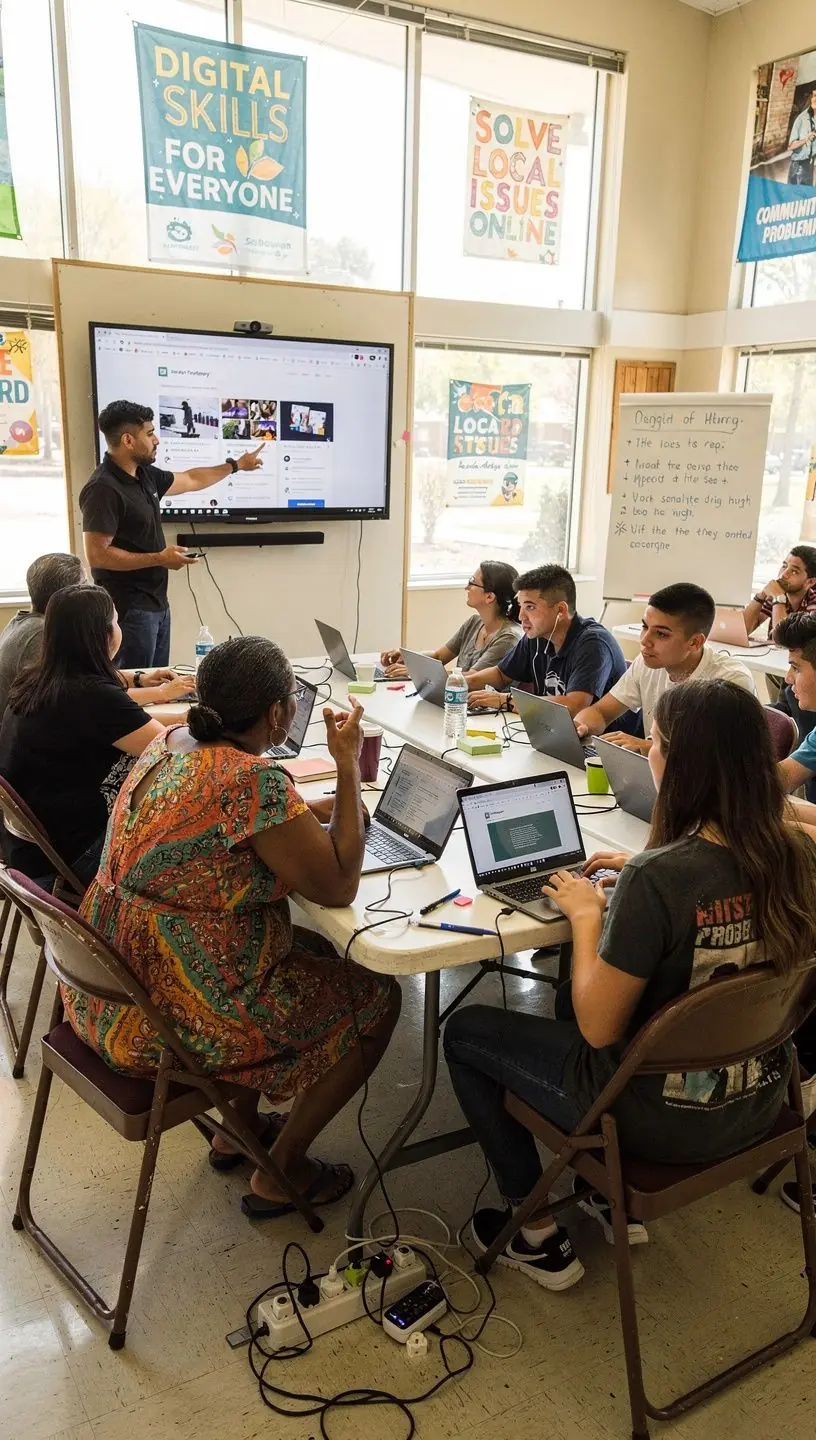
Engaging with your community can amplify your efforts in water conservation. Participating in local workshops and educational programs offers you insights into best practices and innovative techniques. In many cases, community initiatives can lead to greater overall water savings.
Challenges and Considerations
While these techniques are typically effective, there may be challenges. For instance, installing low-flow fixtures may require some knowledge of household plumbing. Moreover, rainwater harvesting systems must comply with local regulations, which can vary by jurisdiction. It’s important to check with local authorities before implementation.
Conclusion
Implementing water conservation techniques requires commitment, but the benefits to your household and your community can be significant. By taking small steps, such as installing low-flow fixtures or participating in community education, you can contribute to a more sustainable future. Remember, conservation efforts work best when tailored to specific local conditions and regulations.